The 1960 ‘Les yeux sans visage‘ is the most famous film by filmmaker Georges Franju, a remarkable and slightly contradictory figure in the history of French and international cinema. He made very few films in his career, but his influence on his contemporaries and those who came after him was immense. Part of the legacy left off the sets is the founding in 1936 of the institution of Cinematheque Française in Paris together with Henri Langlois and a conception of the art of film that represents a synthesis of his work as a documentary filmmaker and a filtered assimilation of the aesthetics and creative methods of Surrealism. Contemporary with the filmmakers of the New Wave, he rejected their adherence to the immediate reality but shared with them the conception according to which the director is the main author of cinematographic productions. For him, however, the cinematographic aesthetics were more important than the narrative, the way the story is told taking precedence over the story itself. ‘Les yeaux sans visage‘ is a landmark in the history of the horror film, and has inspired filmmakers like Almodovar (‘La piel que habito’) or John Woo (‘Face / Off’) as a theme but also as an aesthetic.
‘Les yeux sans visage‘ is an adaptation of a detective novel by Jean Redon signed by the couple of screenwriters (themselves authors of detective novels) formed by Pierre Boileau and Thomas Narcejac. The plot is, on the surface at least, quite simple and is told linearly. In the opening scene, a woman drives a car at night carrying a dead body. A masterfully filmed scene, as will be several to come (the cinematography belongs to Eugen Schüfftan). The woman behind the wheel is Louise, assistant to Dr. Genessier, a renowned surgeon specializing in skin grafts. His daughter had suffered a car accident for which he feels responsible, and the famous doctor will use his talents to find suitable donors to repair the disfigured girl’s face. Donors become victims of the evil couple’s plans.
The story is reminiscent of classic horror novels, starting with ‘Frankenstein’ with a scientific twist. In fact, skin grafts like those shown in the film are not 100% safe even today. How the story is filmed is what matters. In the ’50s the center of gravity of ‘horror’ film productions had moved overseas, but visually ‘Les yeux sans visage‘ descends rather from the German cinema of the 20s and early 30s. Surrealist elements are added to this, but the influence of the period in which director Georges Franju worked as a documentarian, author of films of a cruel realism in this genre, is also felt. The fantastic usually works as an insertion of the supernatural into the everyday. In the ‘horror’ universe, the opposite effect is sought – of everyday elements introduced into an atmosphere that defies logic. Several of the stronger scenes created censorship problems for the film in 1960 in Europe, and the version that was broadcast in 1962 in the United States was slightly ‘sanitized’.
Georges Franju knows well the secrets of the trade and a comparison of this film with Hitchcock‘s successful films is not at all exaggerated. Same as the international master of the genre, Franju amplifies the excellent visual part with an expressive soundtrack, with music by Maurice Jarre, the composer who also worked on the famous hits created by David Lean. From the cast I noted the excellent Alida Valli in a role of partner in crime very different from many others I knew from her career and Edith Scob who plays the role of the daughter with her face covered by a mask. We will especially remember her silhouette. Over half a century later, we will meet the actress again in Leos Carax‘s ‘Holy Motors’. Pierre Brasseur disappointed me a bit as the criminal scientist. He’s OK but leaves the impression that he missed the opportunity to create a memorable ‘bad guy’. ‘Les yeux sans visage‘ is a gem of the genre, forgotten in the drawers of the history of the horror movies. Don’t miss the opportunity to discover it, if you haven’t already.
‘Howards End‘, James Ivory‘s 1992 film, opens with a scene that takes place in nature. We see, filmed from behind, a woman running. She is wearing a long dress, which clearly hinders her movements. Clothes get dirty from grass and rain-soaked ground. The scene is symbolic of one of the film’s themes – the status of women in the first decade of the 20th century -, a period that takes its name in England after that of King Edward VII, the son of Queen Victoria, who had waited many years to inherit the throne from the long-lived Queen. Social and political conflicts were building up and simmering like lava from a volcano about to erupt. Rigid laws and conventions covered internal social conflicts, just as the force of the imperial army and the colonial bureaucracy tried to contain external ones. The eruption that was to come would be called the Great War or the First World War. The world that precedes it is excellently described in the novels of E.M. Foster and in the films made by director James Ivory and his producer and partner Ismail Merchant. They are complex and lavishly shot films that bring back into focus, reconstruct and reinterpret the conflicts and problems of a world that is seemingly receding into history, but which continues to influence the present.
Representatives of four social classes find themselves engaged in a conflict in the middle of which is the mansion Howards End, located in a village near London. The building surrounded by a park with abundant and unsettling vegetation is the historical legacy of Ruth’s old British noble family, brought into the Willcox family through her marriage to Henry. He is the type of the enterprising but unscrupulous capitalist, for whom social conventions hide moral corruption, and who despises all who are not like him. His sons and daughter seem to have inherited his character and ideas. When Ruth befriends Margaret Schlegel, a beautiful and intelligent young woman but in danger of passing marriageable age, from a middle-class family of German origin, and decides, on her deathbed, to leave the mansion as inheritance, the Willcox family does not hesitate to resort to fraud by destroying the handwritten will. Margaret along with her sister Helen have different moral values than the Willcoxes, but good intentions don’t always pay off. Attempts to help the young and impoverished Leonard Bast, a dreamer struggling in capitalist London, cause more harm than good.
Key scenes of the film take place at or are related to Howards End. In the dramatic structure of the story, the mansion is a symbol. For some of the characters in the story it is just a property. These disputes reminded me of the novels of John Galsworthy which were set in a nearer period, and in which even love or wives were regarded as objects of property. The differences in conception between generations and social classes are evident when we look at how the characters relate to women’s rights – the political ones, but also the one to decide their destinies, to choose their suitable partners. Another central theme of the film is the communication between the characters. All of them are very voluble, they entertain sometimes sparkling dialogues, but they don’t always understand each other. For Henry Willcox, words hide rather than express, and even when he wants to express his possible affection and make a marriage proposal he does not know how to choose the right words. Margaret Schlegel, on the contrary, is intelligent and cultured, but perhaps precisely her fine education is at excess when dealing with people whose moral values do not correspond. Fate decides in the end and its blows are far from being just rhetorical.
‘Howards End‘ gathers a formidable team of actors who enjoy consistent roles. For Emma Thompson, the role of Margaret meant several well-deserved awards and confirmation of her status as an international star. Helena Bonham Carter is no less impressive in my opinion as Helen. Old lady Ruth is played with nobility and passion by Vanessa Redgrave, and the Christmas shopping scene with Emma Thompson is a classic. For Anthony Hopkins, the role of Henry Willcox is not the most visible of his career or of that period. He melts into the character and doesn’t try to shock. Tony Pierce-Roberts‘ cinematography is excellent, both when filming at Howards End with the nature and countryside surrounding the mansion, and when he accurately recreates London in the first decade of the 20th century. ‘Howards End‘ remains a delight for fans of solid and intelligent movies.
I think that Kenneth Branagh understood something important about Agatha Christie when he started the series of films with Hercule Poirot as the hero, in which ‘Death on the Nile‘ (a much delayed 2022 release) is the second film. Agatha Christie was never a realistic writer. Her novels are detective mysteries, exercises in logic, dramas that take place in closed spaces that delimit not only the place but also the social categories of the characters. Most of her books have a unity of time and space reminiscent of Greek tragedies, but they are ultimately books aimed at the entertainment of certain categories of readers. It is not an imaginary world, but a world parallel to ours, from which she draws her characters and situations by selection. We are dealing with detective fantasies. ‘Death on the Nile‘ is such a fantasy, a story that takes place in a precise historical moment and in well-defined places, but which has no ambition to say anything dramatic or critical about that time and those places. Much of the filming took place on location in Aswan in Egypt, but the decision appears to have been primarily aesthetic, not a search for authenticity. The focus is on the characters, on the relationships between them, on the crimes that are a bit late to happen, but when they are triggered they do continue in chain. And, of course, the character of Hercule Poirot, who takes on new and surprising dimensions in this film.
The opening scene takes place in 1914 and is reminiscent of WWI trench films. In ‘Death on the Nile‘ we learn many new things about Poirot, about the origin of some of his whims, and even about his physical appearance. It may be that Branagh along with screenwriter Michael Green have the intention of making a film about the young Poirot one day. It would be based largely on their imagination and not on an Agatha Christie novel that she never wrote. It would be very interesting. Ultimately Poirot’s own method consists of using a few visible events and information to construct the solution to the most complicated puzzles. The character of Hercule Poirot would be one of them. Next we jump in time to the year 1937, and from dark and humid London we arrive in the sun-scorched Egypt. Agatha Christie and Kenneth Branagh‘s characters live in a fantasy bubble that has little in common with the real world. There is violence and stress but these are not the contradictions and violence that predicted World War II, but the internal conflicts of a privileged class and its various servants. Without much effort the action could have taken place a century earlier or perhaps a century later. The mystery is well built, the characters are introduced gradually and we know them well enough when the bodies start to pile to have the feeling that they can – almost all – be both criminals and victims.
‘Death on the Nile‘ is superbly filmed and the name of the cinematographer Haris Zambarloukos who collaborated with excellent results on all the latest Kenneth Branagh‘s films must be mentioned. Aesthetics derive from logic in his visual conception, for the universe the viewer sees on the screen is an extension of Poirot’s mania for symmetry and wholeness, one of the external oddities that build his complex personality. Watch the ensemble scenes and count how many of them are architecturally designed, like works of art or classical monuments. The cast includes some of the successful actors of the younger generations. It was the choice of some of the actors that I found less inspired. Armie Hammer and Gal Gadot may radiate wealth but not love, and this feeling is accentuated by Emma Mackey‘s hot performance as the disappointed rival. An inspired and interesting addition to the cast is the pair of mother-daughter musicians, played by Sophie Okonedo and Letitia Wright. They provide the pretext to build a soundtrack that I really enjoyed, combining blues with big band jazz of the era, and gives us the opportunity to know the sentimental side of Poirot. ‘Death on the Nile‘ is a visual and musical detective fantasy and quality entertainment. Those who will try to watch and judge it from a different perspective will do so at their own risk and they have good chances of being disappointed. I loved the movie.
Statul Israel va împlini anul viitor 75 de ani de existență. O țară tânără și în același timp una dintre cele mai vechi din lume dacă o considerăm o continuatoare peste milenii a regatelor evreiești. La fel, limba ebraică, limba în care a fost scris Vechiul Testament, renăscută începând cu sfârșitul secolului 19 și permanent modernizată de atunci, a generat o literatură dinamică și diversă. Cititorii din Romania au făcut cunoștință cu scriitorii israelieni de limba ebraică încă din anii ’80 ai secolului trecut când a apărut în colecția Globus a Editurii Meridiane prima ediție românească a romanului ‘Soțul meu, Michael’ al lui Amos Oz. După 1990 numărul autorilor traduși din ebraică și a cărților israeliene publicate în limba română a crescut rapid. Suficient pentru un top consistent. Ca de obicei, amintesc că este vorba despre un clasament subiectiv, că ordinea nu este întâmplătoare dar nici nu reprezintă vreo judecată valorică absolută, iar comentariile și completările sunt binevenite.
1. Amos Oz
La 28 decembrie 2018 Amos Oz s-a alăturat uneia dintre cele mai ilustre categorii de scriitori: autori iubiți de public și apreciați de critici, care nu au primit și nu vor mai primi niciodată Premiul Nobel pentru Literatură. Născut în 1939 la Ierusalim, Oz a fost un romancier, memorialist și eseist de excepție, dar și un activist pentru pace, un umanist curajos a cărui voce clara și luciditate excepțională lipsesc teribil literaturii, culturii și vieții sociale a Israelului. Editura Humanitas i-a dedicat o serie de autor în care au apărut majoritatea scrierilor sale (vreo 20 de cărți în total). A vizitat România și dialogul său din februarie 2012 cu Gabriel Liiceanu pe scena Ateneului Român va rămâne negreșit în amintirea celor care au fost atunci în sală sau au urmărit înregistrarea accesibilă și acum pe YouTube.
2. A. B. Yehoshua
Tot la Ierusalim s-a născut în 1936 A. B. Yehoshua (a se citi Alef Bet Yehoshua, alef și bet fiind primele două litere ale alfabetului ebraic). Era descendentul unei familii sefarde cu tradiție de cărturari, originară din Salonic. Romanele sale exploră prezentul israelian, trecutul apropiat sau îndepărtat, rădăcinile personale și culturale ale personajelor. Moartea sa în iunie 2022 a lăsat încă un gol imens în cultura și viața intelectuală israeliana. În România a fost puțin tradus, cea mai populară dintre cărțile sale aici fiind probabil ‘Misiunea directorului de resurse umane’ apărută în 2011 la Editura Polirom, carte care a fost și ecranizată și filmată în Romania, ocazie cu care scenariștii și realizatorii filmului au și mutat o parte din acțiune din Ucraina (cum scrise Yehoshua) în România. Alte cărți remarcabile ale sale cum sunt ‘Călătorie la capătul mileniului’ sau ‘Domnul Mani’ își așteaptă încă traducătorii și publicarea.
3. David Grossman
Născut în 1954, David Grossman este cel mai tânăr membru al triumviratului de prozatori născuți la Ierusalim care au dominat viața literară israeliană în ultimele două-trei decenii. Ceilalți doi, Amos Oz (1939 – 2018) și A.B. Yehoshua (1936 – 2022), erau cu o jumătate de generație mai în vârstă decât Grossman, dar numele celor trei este asociat de obicei și datorită calităților literare ale cărților lor și activismului politic în favoarea coexistenței și căutărilor unei soluții pașnice a conflictului dintre evrei și arabii palestinieni, ceea ce îi plasează pe toți trei în Israel în emisfera stângă a hărții politice. Și-a început cariera ca om de radio, și prima sa carte de succes, ‘Timpul galben’, publicată în 1987, este documentară, ocupându-se de viața în teritoriile ocupate de Israel după Războiul de Șase Zile. Viața personală i-a fost marcata de tragedia morții în 2006 a fiului sau, Uri, în al doilea război dintre Israel și Liban. Câteva dintre romanele sale de succes au fost publicate de editurile Polirom, Univers și Niculescu. Printre ele: ‘Un cal intră într-un bar’ (premiul Man Booker International), ‘Până la capătul Pământului’, ‘Cartea de gramatică interioară’, ‘De mine viața și-a tot râs’.
4. Aharon Appelfeld
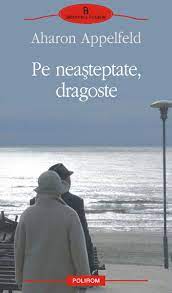
Aharon Appelfeld (1932 – 2018) a fost probabil cel mai important scriitor israelian de limbă ebraică născut în România, sau mai exact în România Mare, căci satul Sadova unde și-a petrecut primii ani de viață face astăzi parte din Ucraina. În casă limba principală era germana. Odată cu izbucnirea războiului, familia să a fost supusa legilor rasiale, la fel ca întreaga populație evreiască din România. În 1941 mama sa a fost împușcată și Appelfeld, copil unic, a fost deportat în Transnistria. Avea să fie despărțit de tatăl său (pe care îl vă reîntâlni după mai bine de un deceniu în Israel) și va supraviețui vreme de doi ani în păduri și ghettouri. Opera sa literară reflectă experiența de supravieuitor al Holocaustului, care este tema majoră abordată în aproape toate cărțile sale. Câteva dintre ele au fost publicate în România de editurile Polirom, Univers și Hasefer. Printre ele ‘Badenheim 1939’ (care are și o versiune pentru scena), ‘Caterina’, ‘Povestea unei vieți’, ‘Pe neașteptate, dragoste’.
5. Eshkol Nevo
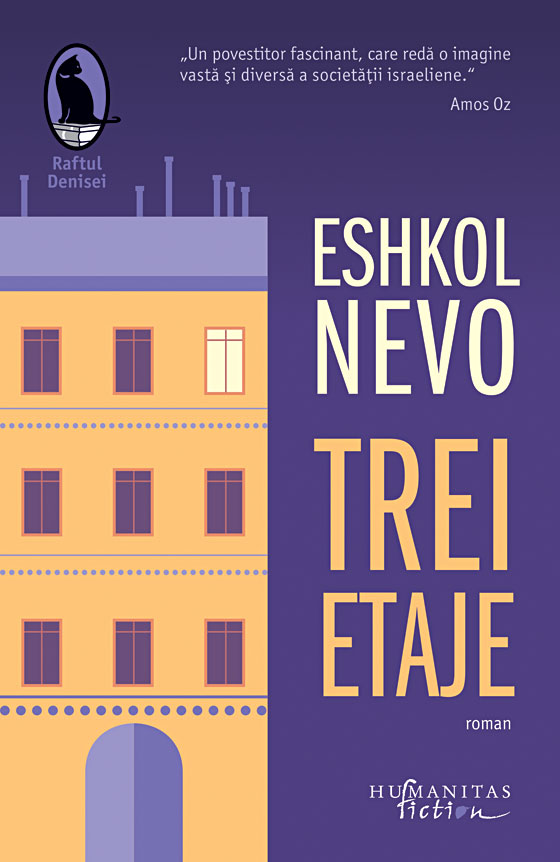
Eshkol Nevo este unul dintre cei mai populari prozatori israelieni contemporani, citit, apreciat, premiat, ecranizat și tradus în numeroase limbi străine. Este născut la Ierusalim în 1971, iar educația a primit-o în Israel și în Statele Unite, unde familia lui a trăit o vreme, în perioada copilăriei și adolescenței. Este nepotul lui Levi Eshkol, primul-ministru al Israelului în perioada Războiului de Șase Zile. Excelează și în romane și în proza scurtă, și o parte dintre scrierile sale s-au bucurat de versiuni teatrale și cinematografice. Editura Humanitas-fiction și mai precis colecția ‘Raftul Denisei’ a publicat trei dintre cărțile sale (‘Trei etaje’, ‘Simetria dorințelor’, ‘Ultimul interviu’). Sper că va apare în curând și ‘Neuland’, care este în opinia multor cititori cea mai bună carte scrisă de el până acum.
6. Etgar Keret
‘The New York Times’ l-a caracterizat drept ‘geniu’, iar Salman Rushdie a scris despre el că este ‘un scriitor nemaipomenit … cum nu e altul printre cei pe care-i știu’. Acestea sunt doar două dintre aprecierile extrem de entuziaste pe care le-a adunat scriitorul israelian Etgar Keret. Născut în 1967 la Ramat Gan într-o familie de evrei polonezi supraviețuitori ai Holocaustului, Keret a debutat la 25 de ani. A doua sa carte – ‘Dor de Kissinger’ -, publicată cu doi ani mai tărziu, l-a consacrat în Israel și peste hotare ca pe unul dintre cei mai interesanți autori de povestiri scurte ai generației sale. Creator multi-disciplinar, căutând permanent noi modalități de exprimare, Etgar Keret s-a remarcat și ca scenarist și regizor de film, având în palmares, printre altele, și un premiu Caméra d’Or la Cannes (în 2007). Multe dintre realizările sale cinematografice și pentru televiziune sunt rezultatul colaborării cu soția sa, Shira Gefen, fiica poetului, umoristului și publicistului Jonathan Gefen și sora lui Aviv Gefen, unul dintre cei mai populari cântăreți israelieni. Volumele sale de proză au fost traduse în 42 de limbi, iar în 2019 una dintre culegerile sale de povestiri a primit Premiul Sapir, echivalentul israelian al premiilor Goncourt sau Pullitzer. Volumul de povestiri ‘Si deodata cineva bate la usa’ este o experienta de lectura cu totul speciala, dar toate cele trei carti ale lui publicate (pana acum) de Editura Humanitas-fiction merita a fi cautate si citite.
7. Zeruya Shalev
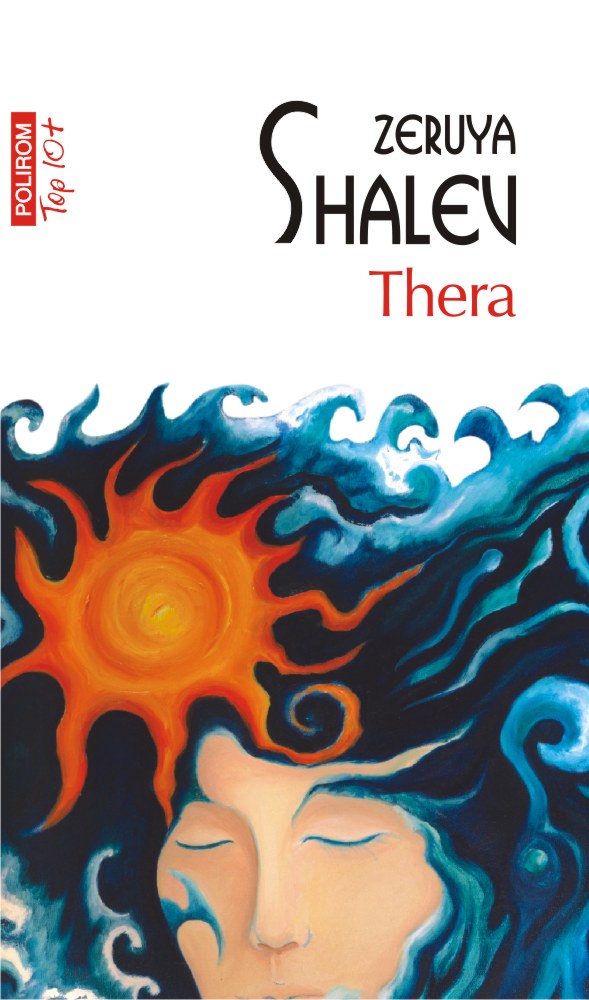
Zeruya Shalev este una dintre scriitoarele israeliene cele mai cunoscute pe plan internațional, cărțile ei fiind traduse din ebraică în 27 de limbi, unele devenind best-sellers în țările respective. Născută în 1959 într-un kibbutz de pe malul lacului Tiberiada, face parte dintr-o familie cu renume în literatura și arta israeliană, tatăl, soțul și mai ales vărul ei (Meir Shalev – #10 din top) fiind cu toții scriitori cunoscuți, de succes și de valoare. Biografiei ei include un moment fractal care s-a petrecut în anul 2004, când Zeruya a fost grav rănită într-un atentat terorist cu bombă la Ierusalim. Se poate spune că și creația sa literară – că tematică și ca stilistică – a fost marcată și divizată de acest eveniment. În prima perioadă, cărțile sale cele mai cunoscute sunt romane sentimental-erotice scrise dintr-o perspectivă feminină îndrăzneață, cărți care i-au asigurat consacrarea internațională. Tonul cărților scrise și publicate după 2004 este mult mai sumbru, iar tematicile morții și a destinului revin în mod obsedant. Traducerile cărților sale sunt publicate în România de Editura Polirom. Dintre titluri amintesc: ‘Thera’, ‘Viața amoroasă’, ‘Soț și sotie’.
8. Dror Mishani
Se scrie și se citește, ca peste tot, și multă literatură polițistă în Israel. Din păcate foarte puțin a fost tradus în limba română și publicat în România. Dror Mishani (născut 1975), de exemplu, este un scriitor de succes, tradus și publicat în multe limbi. Romanele sale cele mai cunoscute îl au că erou pe inspectorul Avraham Avraham, și ele prezintă o imagine interesantă a societății israeliene contemporane, dintr-o perspectivă inedită. Singura carte (după câte stiu eu) din această serie publicată în România este ‘Dispariția’ apărută în 2013 în Editura TREI. Este o carte recomandată nu numai amatorilor genului.
9. Nava Semel
‘A fost odată ca niciodată în Bucovina. Un nume de basm că o fantezie literară.’ Așa începe romanul ‘Fanny și Gabriel’ al Navei Artzi, apărut în editura Hasefer, din păcate într-o traducere a traducerii engleze și nu a originalului în limba ebraică. (Mai sunt încă vreo câteva exemple. Mi se pare de neînțeles recurgerea la traduceri din traduceri, în condițiile în care există sute de mii de vorbitori de limbă română și ebraică). Nava Artzi (1954 – 2017) a fost prozatoare, dramaturgă și scenaristă. Era fiica lui Yitzhak Artzi, politician și membru al Knesset, unul dintre puținii israelieni veniți din România care a făcut carieră politică, și a lui Mimi (Margalit), o supraviețuitoare a lagărului de concentrare de la Auschwitz. Era sora mai mică a muzicianului rock israelian Shlomo Artzi. Cărțile ei se ocupă de problemele celor din „a doua generație” (copiii supraviețuitorilor Holocaustului) din Israel, din care făcea parte. Personajele ei sunt israelieni care se confruntă cu problemele de identitate, cu traumele părinților și cu cicatricile trecutului dureros.
10. Meir Shalev
S-ar putea ca ‘Roman rusesc’, romanul de debut al lui Meir Shalev (născut în 1948) și publicat în 1988 să rămână cea mai bună carte a sa. A fost tradusa în limba română și publicată de Editura Univers. Este un roman-fluviu, o poveste istorică și de dragoste care se întinde de-a lungul a mai multor decenii, urmărind destinul a patru tineri (trei băieți și o fată) emigrați în Palestina la începutul secolului 20. Este unul dintre textele literaturii israeliene care se aproprie cel mai mult de stilul realismului magic, o carte fermecătoare.
Una dintre cărțile achiziționate în vacanța mea americană este scrisă de Anne Applebaum și are un titlu intrigant și provocator: ‘Twilight of Democracy – The Seductive Lure of Authoritarianism’ (‘Amurgul democrației – Momeala seducătoare a autoritarismului’). Pe Anne Applebaum (născută în 1964) o citesc cu mare interes în paginile revistei ‘The Atlantic’ unde este în prezent ‘staff writer’. Înainte de aceasta a scris la ‘The Economist’ și ‘The Spectator’ și a fost membră a comitetului editorial al lui ‘Washington Post’. A câștigat Premiul Pulitzer în 2004, pentru cartea ‘Gulag: A History’ (‘Gulag: O istorie’). Jurnalista și istorica americană a scris în special despre istoria comunismului și dezvoltarea societății civile în fosta Uniune Sovietică, Europa Centrală și de Est. ‘Twilight of Democracy’ este o carte cu tematică globală, analizând ascensiunea – în special în ultimul deceniu – a tendințelor autoritare, exemplificând cu câteva dintre cazurile cele mai proeminente: Polonia, în care trăiește de peste două decenii (fiind măritată cu un politician polonez), Ungaria lui Viktor Orban, Marea Britanie a Brexitului și a lui Boris Johnson și America lui Donald Trump. În opinia ei, este vorba despre manifestări diferite ale unui fenomen global, la originile căruia se află câteva tendințe politice, sociale, dar și tehnologice. Asupra acestui din urmă aspect ne vom concentra în articolul de astăzi.
‘Twilight of Democracy’ începe și se sfârșește cu relatarea a două petreceri care au avut loc la interval de aproape două decenii. Prima era ocazionată de Revelionul mileniului, noaptea dintre 31 decembrie 1999 și 1 ianuarie 2000. În Polonia, care celebra un deceniu de la ieșirea din comunism, se adunaseră – într-un conac ruinat în curs de restaurare – ziariști, scriitori și politicieni din tot spectrul politic, oameni cu opinii diferite despre societate și despre căile de urmat, dar cu sentimente – cel puțin în aparență – comune de speranță în ceea ce privește viitorul democratic și european al țării. Cu două decenii mai târziu, petrecerea are loc vara. Este folosită piscina, se face ‘foc de tabără’, sunt servite mâncăruri alese. O parte dintre cei prezenți la începutul mileniului nu numai că sunt absenți de la petrecere, dar nici măcar nu mai sunt în relații de comunicare cu cealaltă parte. Este o manifestare anecdotică a fenomenului polarizării extreme care a avut loc în această perioadă, a creării unor sfere informaționale sau de dezinformare, care deformează realitățile și fac imposibil dialogul dintre taberele politice. Am constatat și eu acest fenomen în țările în care trăiesc și în multe dintre cele pe care le-am vizitat. L-am văzut în Statele Unite, unde ‘sfera Fox’ și cei care se alimentează informațional din surse conspiraționiste sau și mai extreme trăiesc într-o realitate diferită de cei care continua să primească știrile de la sursele etichetate (cu dispreț!) ca ‘mainstream’. Este prezent sub forme ceva mai moderate și în România, și în Israel (‘patriile mele’).
Analizând ceea ce se întâmplă în ultimul deceniu în Polonia, Anne Applebaum recurge la o sursă de referință familiară cititorilor din România, o sursă care este citată încă din capitolul introductiv:
‘Când totul a început, am avut o senzație de deja-vu. Mi-am amintit de lectura unui faimos jurnal ținut de scriitorul român Mihail Sebastian între 1935 și 1944. În el a consemnat o tranziție și mai extremă în propria sa țară. La fel ca mine, Sebastian era evreu, dar nu și religios; la fel ca mine, majoritatea prietenilor săi proveneau din dreapta politică. În jurnalul său, el descrie cum, unul după altul, aceștia erau atrași de ideologia fascistă, precum un roi de molii fascinate de o flacăra inevitabilă. El descria aroganța și încrederea de sine pe care prietenii săi o dobândeau atunci când renunțau să se mai declare europeni – admiratori ai lui Proust, călători la Paris – și în loc se auto-intitulau români puri. Îi asculta cum se lansau în gândire conspirativă sau deveneau indiferenți până la cruzime.’ (pag. 11-12)
De aici încep întrebările:
‘Și atunci, care este cauza acestei transformări? Au fost dintotdeauna unii dintre prietenii noștri autoritari camuflați? Sau oamenii cu care am ciocnit paharele în primele minute ale noului mileniu s-au schimbat, cumva, în decursul celor două decenii?
Nu există o singură explicație și nu voi oferi nici o mare teorie și nici o soluție universală. Dar există o temă: Când condițiile sunt favorabile, orice societate poate întoarce spatele democrației. Mai mult, dacă istoria ne învață vreo lecție, aceasta este că toate societățile o vor face, mai devreme sau mai târziu.’ (pag. 13-14)
Capitolele următoare ale cărții vor încerca să identifice semnele și rădăcinile acestor procese. Printre ele se află, în mod nu foarte surprinzător, evoluțiile tehnologice ale ultimului secol și, în principal, accelerarea ritmului de schimbare socială, inegalitatea (geografică și socială) a distribuirii beneficiilor, și – desigur – apariția noilor canale de acces și răspândire a informației. Acestea servesc în mod preferențial curentele politice și politicienii populiști, doritori de a atrage public prin explicații simpliste și crearea de țapi ispășitori pentru problemele economice și sociale ale modernității. M-a impresionat și m-a bucurat faptul că Anne Applebaum folosește o terminologie pe care am adaptat-o și eu în descrierea acestor fenomene, până la a compara revoluția Internetului începută la sfârșitul secolului XX cu revoluția declanșată în secolul al XV-lea de inventarea tiparului:
‘În cele mai multe societăți deschise din Vest, toleranța pentru opinii diferite și chiar conflictuale devenise firească. Dar pentru cea mai mare parte a istoriei noastre recente, gama acestor opinii a fost limitată. După 1945, cele mai importante dispute au avut loc între centru-dreapta și centru-stânga. … Opiniile erau diferite, dar majoritatea disputelor aveau loc în parametri acceptați.
Această lume a dispărut. Trăim acum o schimbare rapidă a modului în care oamenii transmit și primesc informațiile politice – exact acel fel de revoluție care a avut profunde consecințe politice în trecut. Toate formele de frumusețe și înțelepciune au fost posibile în fluviul de informație declanșat de inventarea tiparniței în secolul al XV-lea: alfabetizarea în masă, distribuirea cunoștințelor de încredere, sfârșitul monopolului bisericii catolice asupra informației. Aceeași invenție a contribuit însă la crearea și adâncirea diferențelor, la polarizare și schimbări politice. Noua tehnologie a făcut posibil ca oamenii de rând să citească Biblia, ceea ce a inspirat Reforma protestantă – și a dus la multe decenii de războaie religioase sângeroase. Martiri au fost spânzurați, biserici și sate prădate și distruse într-un vârtej justițiar, care a fost curmat doar în epoca Iluminismului, odată cu acceptarea unei toleranțe religioase mai largi.
Sfârșitul conflictului religios a marcat începutul altui fel de conflicte, cele dintre ideologiile seculare și grupurile naționale. Unele dintre acestea s-au intensificat după ce avusese loc o altă schimbare în natura comunicațiilor: inventarea radioului și sfârșitul monopolului cuvântului scris. Hitler și Stalin au fost printre primii conducători politici care au înțeles cât de puternic poate fi acest mijloc de comunicare. Guvernele democrate s-au luptat, la început, să identifice căile contracarării limbajului demagogilor care ajungea acum în casele oamenilor. Anticipând puterea ieșită din comun de a diviza a transmisiunilor radio, Regatul Unit a creat, în 1922, postul BBC, care avea sarcina explicită de a ajunge în toate colțurile țării nu numai pentru a „informa, educa, distra”, ci și pentru a aduce întregul popor nu la opinii identice, ci într-o singură conversație națională, una care să permită dezbaterea democratică. În Statele Unite, au fost găsite răspunsuri diferite, ziariștii acceptând un cadru regulativ, legi privind calomniile, reguli legate de licențe de emisie pentru radio și televiziune. Președintele Franklin Roosevelt a creat formatul ‘convorbirilor de la gura sobei’, o formă de comunicare mai bine adaptată noului mediu.’ (pag. 110-112)
Revoluția internetică a fost, deci, precedata de evoluții tehnologice aproape la fel de spectaculoase (radioul și apoi televiziunea), și acestea au devenit foarte repede arme în arsenalul luptelor politice ale secolului XX. Se poate vorbi despre o reacție în lanț. Folosirea radioului de către cele două mega-dictaturi ale primei jumătăți a secolului XX pentru difuzarea propagandei și a dezinformației a avut ca reacție crearea în țările democratice a unei rețele informaționale, ce a dus cuvântul liber în casele oamenilor nu numai în perioada celui de Al Doilea Război Mondial, ci și – în deceniile următoare – în epoca Războiului Rece. Era vorba, ce-i drept, despre o formă de comunicare aproape exclusiv unidirecțională – de la studiourile de radio spre ascultători. În sens invers, informația circula greu și cu mari riscuri din partea celor care îndrăzneau totuși să comunice cu posturi de radio ca ‘Europa Liberă’. Cei care au trăit epoca știu la ce mă refer, celor mai tineri le recomand vizionarea filmului ‘Metronom’ al lui Alexandru Belc.
Reprezentau transmisiile posturilor de radio occidentale o formă de propagandă? Răspunsul îl dă Dorian Galbinski, reporter și ziarist veteran la BBC, în cartea sa de memorii ‘Viața trece ca un glonț’ (Editura Humanitas, 2021), citând spusele lui Anatol Goldberg, cel care fusese o vreme șeful secției ruse a postului de radio:
– Dorian, ține minte, în viață totul – dar absolut totul – este propagandă. Când îi faci un compliment soției tale, când îi spui, de exemplu, că rochia nouă îi vine foarte bine, asta tot propagandă e. Urmărești să obții ceva în schimb. Diferența este între propaganda bună și propaganda proastă. Moscova face propagandă proastă, iar noi facem propagandă bună. Cheia este scopul propagandei. Noi facem propaganda democrației, a libertății, a dialogului onest.’ (pag. 183)
Ce a schimbat revoluția internetica începută la sfârșitul celui de-al doilea mileniu? În primul rând, a înlesnit tehnic accesul aproape instantaneu la informație și la dezinformare, precum și inter-comunicarea directă a unei bune părți a populației lumii. În al doilea rând, a deschis cel de-al doilea sens al comunicării, permițând nu numai recepția, ci și transmiterea de informații din partea (aproape a) tuturor, (aproape) de oriunde. Rezultatul este că numărul surselor de informații a crescut în mod exponențial, și nu puțini dintre utilizatorii Internetului sunt dezorientați. Nu mai există un singur canal național de informații sau câteva puține care se concurează, ci sute și mii din toate colturile lumii. Nu doar experții – cu diplome sau cu renume – pot publica opinii, ci o poate face oricine. A fost eliminată în mare măsură acea verigă de filtrare care era redactorul de ziar și editorul de carte, cei care decideau – la bine sau la rău – ce se poate publica și ce se arunca la gunoi. Ideile cele mai extreme, teoriile cele mai extravagante, minciunile cele mai evidente și semi-minciunile abil camuflate pot deveni accesibile instantaneu tuturor cu efortul apăsării unei clape. Iată cum descrie Anne Applebaum consecințele:
‘Vechile ziare și studiourile de televiziune creau posibilitatea unei singure conversații naționale. În cele mai avansate democrații nu mai există acum o dezbatere comună, ca să nu mai vorbim despre un narativ comun. Oamenii au avut totdeauna opinii diverse. Acum au și fapte diverse. În același timp, într-o sferă informațională fără autorități – politice, culturale, morale – și fără surse de încredere, este imposibil de deosebit între teoriile conspirative și poveștile adevărate. Narative false, părtinitoare și deseori intenționat eronate se răspândesc acum precum incendii digitale mistuitoare, cascade de minciuni se propagă mult prea repede pentru a putea fi interceptate și verificate. Și chiar dacă ar putea fi verificate, nu mai contează: o parte din public nu va citi niciodată sursele care verifică faptele și dacă o va face nu va avea încredere în ele.’ (pag. 113)
Mișcările extremiste și populiste au știut să folosească avantajele democrației, precum și progresele tehnologice. Perspectiva mea este ceva mai optimistă decât a autoarei. Libertatea de exprimare reprezintă o slăbiciune, dar și o forță. Așa cum tiparul a distribuit din zorii epocii Gutenberg înțelepciune și prejudecați, frumusețe și ură; așa cum ziaristica liberă de după revoluțiile americană și franceză a permis exprimarea sentimentelor și a ideilor progresiste, dar și a calomniilor și a propagandei anti-democratice – la fel cred că se va întâmpla, că începe să se întâmple, și în cazul comunicării pe Internet. Libertatea de exprimare nu este nelimitată, dar limitele ei trebuie să fie departe – acolo unde cuvântul liber devine instrument pentru anularea însăși a democrației. Formele și modalitățile de auto-apărare a sistemului vor fi descoperite și inventate. Unele etape intermediare pot fi neplăcute – cine a fost ‘suspendat’ de ‘boții’ Facebook, ghidați de algoritmi misterioși, știe despre ce vorbesc. Procesul însă se va perfecționa și merge în direcția bună. Libertatea de exprimare trebuie apărată cu responsabilitate de propriile ei excese. Este o luptă care merită să fie purtată. Nu degeaba dictatorii autoritari și politicienii populiști se tem de libertatea de comunicare oferită de Internet și încearcă să o limiteze prin cenzură internă, prin sugrumarea dialogurilor libere academice, civice sau politice și prin ziduri de apărare a populației țărilor lor față de adevărul care provine din exterior. Ca și în cazul cenzurii și bruiajului din perioada Războiului Rece, eforturile politrucilor și cenzorilor se vor dovedi în final zadarnice.
Anne Applebaum nu este sigură în legătură cu șansele democrației. Iată ce scrie ea în ultimul capitol din ‘Twilight of Democracy’, intitulat ‘Ne-finalul istoriei’:
‘S-ar putea să ne aflăm la o răscruce. Poate că copiii mei și prietenii lor – toți prietenii noștri, și noi toți care dorim să trăim într-o lume în care să putem spune nestânjeniți ceea ce gândim, în care dezbaterea de idei este posibilă, în care cunoașterea și expertiza sunt respectate, în care frontierele pot fi trecute cu ușurință – reprezentăm una dintre fundăturile istoriei. Poate că suntem blestemați, precum strălucita Vienă multi-etnică a Habsburgilor sau decadentul, dar inventivul Berlin al Republicii de la Weimar, să fim maturați în irelevanță. Este posibil să trăim deja amurgul democrației; civilizația noastră să se îndrepte spre anarhie sau tiranie, așa cum se temeau filozofii antichității și întemeietorii Statelor Unite. … Poate că frica de molimă va genera frica de realitate.
Sau poate, coronavirusul va inspira un nou sens de solidaritate globală. Poate că vom reînnoi și moderniza instituțiile noastre. … Poate că oamenii de știință din toată lumea vor găsi noi modalități de colaborare, mai presus și în afara politicii. …
… trebuie să acceptăm că ambeletipuri de viitor sunt posibile.’ (pag. 185-186)
Lectură recomandată. Sper că această carte – lucidă, inteligentă, actuală – va găsi cât de curând traducător și editor pentru publicare în România.
Traducerea citatelor îmi aparține. Am folosit ca sursă ediția ‘paperback’ a cărții, publicată în iunie 2021 de Anchor Books.
(Articolul a apărut iniţial în revista culturală ‘Literatura de Azi’ – http://literaturadeazi.ro/)
‘Persian Lessons‘ is one of the most surprising films I’ve seen lately. It is an international co-production made by studios in Russia, Germany and Belarus. Director Vadim Perelman was born in Ukraine and lives and works in Canada and the USA. Released in 2020 on the festival circuit, the film didn’t really get to run in theaters before the outbreak of the pandemic. It’s being released again now, and I hope it will be seen by a lot of people in theaters or streaming. It had probably been filmed a year before release. Today, such a co-production would probably not be possible, if we take into account the events of 2022. The cinematographic approach is also special, but that does not surprise me, because Vadim Perelman is a film director who is not in a hurry to make many films (this is his fifth in a career spanning some 20 years) and chooses his subjects and scripts carefully.
‘Persian Lessons‘ is a film about the Holocaust. Like many films with similar themes it is a story of survival. Each survival in the Holocaust was a miracle, but in telling it,Vadim Perelman approaches the topic from an original perspective and with a sensitivity that makes the film find its place in the ranks of quality films. The story told is extraordinary, but it is the human dimension that primarily interested screenwriter Ilja Zofin and the director. The hero of the film is Gilles, the son of a rabbi from Antwerp, arrested in occupied France and deported in a transport destined for extermination. Chance and perhaps generosity and a passion for books help him, as in the truck that takes the prisoners to the unknown and perhaps to death, he comes into possession of a book of Persian mythology, which he takes advantage of to claim to be Iranian and not Jewish, escaping immediate execution. In the forced labor camp where he ends up, one of the officers is a former chef, whose dream and plan B in the event of Germany’s defeat is to get to Iran. Gilles, now Reza, takes it upon himself to teach him Persian. It’s just that he doesn’t know the language at all and has to invent it. To memorize the words he had already translated, he uses the register with the names of those interned in the camp, meticulously kept by the executioner. The intellectual game between Gilles / Reza and officer Klaus turns into a more complicated relationship: executioner – victim, torturer – prisoner, but also student – teacher and to the end accomplices in the wish to survive. The words of the invented language play an important role. The danger of death is constant and imminent, and every day of survival is a victory for the young deportee.
The story has many levels of complexity and a symbolic load, avoiding at the same time didacticism and excessive rhetoric. The dialogues are excellently written. I don’t remember seeing the Argentinian born actor Nahuel Pérez Biscayart before and all I need to say is that his performance as Gilles / Reza is formidable. German actor Lars Eidinger undertakes the character of Commander Klaus. His role is not easy, because the balance between revulsion towards the executioners’ deeds and the human dimension, between caricature and understanding the reasons for the actions, is very fragile. Eidinger succeeds, I think, very well in this difficult mission. His character could be a good example of what Hanna Arendt called ‘the banality of evil’. I also noticed in the cast the presence of Jonas Nay, a relatively young German actor whom I had already admired in the cycle of television mini-series starting with ‘Deutschland 83 ‘. His role is not very complex but the young actor fills it with content. The side plot of the relationships in-between the German officers and soldiers who turn their duty into crimes may seem far from the central thread of the story, but in my opinion it helps in understanding the context and adds details to the picture of the slave labor camp, where for the prisoners the difference between life and death depended on chance and the whims of the executioners. There are nuances even in hell, this would be one of the interpretations of this complex and impressive film.
A movie starring Meryl Streep and Robert De Niro, made during a time that represented the peak of their careers can’t be too bad. I confess that I hadn’t heard much about ‘Falling in Love‘ nor about its director Ulu Grosbard, and when this film came my way I became quite curious to find out what the reasons were. Watching the film made in 1984 answered my question. The movie is really not too bad. Streep and De Niro are beautiful, charismatic and intelligent, clearly enjoying working together and carrying the film, but the feeling at the end is one of a miss and a disappointment. “Falling in Love” seems much too trivial compared to the immense talent of the two actors who already had two Oscar awards each in their records in 1984.
One of the reasons for the disappointment is that, already in 1984, the formula of the film had been used far too often. The tradition of American productions of this kind has its source in the films about illicit relationships and broken families of the 40s and it appeared often in the 70s (example: ‘Kramer vs. Kramer‘ – great blockbuster, also staring Meryl Streep), being updated for to place it in the modern American landscape, mostly urban (and often Manhattan). The heroes of films in this category are baby boomers, they usually belong to the middle class, they don’t really have material worries, so that they can focus (on screens at least) on their own emotional problems. The idea of chance encounters and reunions (in the case of this film on the train) without which the story would not exist is not terribly original either. Frank and Margaret, the film’s heroes, are married and reasonably happy when the option of true happiness and capital L Love comes their way. Can the relationship between them be maintained at the level of friendship? Or if that is not possible in that of a chaste bond? Do the heroes have the right to deny themselves happiness? And if not, who pays the price for their happiness? What happens to the families in danger of breaking up, to the kids and to the abandoned partners? ‘Falling in Love‘ approaches these questions quite lightly, the expressive power and (outer and inner) beauty of the lead heroes dominate the screen and is provided as a solution to moral dilemmas. The heroes literally ask themselves several times ‘what am I doing?’ and keep doing what they’re doing.
The characters surrounding the heroes are rather pale and inconsistent sketches. This seems to me to have been the main problem with the script, along with the lack of memorable lines. It is assumed that the two intelligent heroes could articulate their feelings in words, but this does not happen. Fortunately for the director, or maybe that was his idea, Meryl Streep and Robert De Niro make up for the fragility of the text with looks and body language that say everything that needs to be said. I can’t fail to mention the presence of Harvey Keitel, an actor I like immensely, who has a delicious supporting role as Frank’s male companion and counterpoint. In fact, the scenes in which the two protagonists hide and then explain their feelings to their respective confidant friends are among the most successful, seeming to be a kind of exemplification of psychologist John Gray‘s book ‘Men Are from Mars, Women Are from Venus‘, which was to appear a few years later. Otherwise, too many coincidences, too many repeating scenes in the crowd, although the streets of Manhattan, China Town and Central Station look well filmed in the style of French New Wave films. Almost four decades after its making, ‘Falling in Love‘ is not a film to be avoided or only suitable for Christmas programs, but the main reasons why it is worth seeing are still Meryl Streep and Robert De Niro. Which, of course, is no small thing.
I watched the original 1969 Peter Collinson-directed version of ‘The Italian Job‘ 19 years after seeing the 2003 remake. I don’t remember much about the remake and the 5/10 rate that I gave it then on IMDB probably explains the reasons. The 1969 film is certainly not the best of the heist genre that was very popular in those days, but there are still some good reasons for a viewing more than half a century after its production and release. By seeing it, today’s viewer can get an idea of the recipes for cinematic success of the late 60s. And the IMDB rating is also higher.
The film starts from a rather original idea that locates it in a special place in the category of films that describe in detail the planning and organization of the most sophisticated robberies. The gang of British villains led by Charlie Crocker (Michael Caine) and financed by Mr. Bridger (Noël Coward) will rob a convoy containing gold bars that Communist China (we are in 1969!) intents to pay for a factory Italian cars. He will do it with the help of a computer expert, in the role of none other than the famous comedian Benny Hill, who will sabotage the computerized traffic management system in Turin (again – it’s 1969!) and create a huge traffic jam. As in all these films, the most sophisticated plans get bogged down by unpredictable details. Everything is treated here with an immoral humor that would not be possible today. In 1969 correctness and politics had not been united in the same sentence.
The comedy part is the strongest part of the film, but viewers should be warned that this is a British comedy and that some of the jokes may get lost in translation even for the English-speaking audience. This film was received very differently in England than in the rest of the world, and I think this difference in perception continues to this day. In the eyes of most viewers, 1969’s ‘The Italian Job‘ is a heist comedy with some good moments and some not so good moments, with a car chase that climbs stairs, flies between buildings and accelerates into sewer systems, with a few likeable actors and with some jokes that can be about half understood, with a memorable retro tech scene from a time when computers were bigger than refrigerators and music by Quincy Jones. For British viewers and film critics it is a film that repeatedly shows up in the rankings of the best British films of all times. Michael Caine, Noël Coward (for whom this is his last film as an actor) and Benny Hill each represent a different kind of star and English humor, and the very act of bringing them together on the same screen is a feat. Even if today’s viewer risks losing his enthusiasm for this film, he can be sure that he has watched the best version of ‘The Italian Job‘ produced so far.
If my count is correct, ‘Jurassic World Dominion‘ (2022 – directed by Colin Trevorrow) is the sixth major studio film to develop the world and characters invented byMichael Crichton and first brought to the screen in 1993 by Steven Spielberg. Spielberg is one of the producers of this film and I believe he was involved as a producer in most if not all of the films in the series. However, his artistic guidance seems to be absent in this episode. If this is the final in the series, it is one devoid of glory. If others will follow, we can hope that it is only one of the weakest episodes and that a recovery will follow. Anyway, ‘Jurassic World Dominion‘ disappointed me.
Crichton‘s book and the first film were a cautionary parable about the dangers of science out of control. It’s the theme of ‘Frankenstein’ only the monsters are not human but dinosaurs reborn through the wonders of genetic engineering. When he decided to make the first ‘sequel’, the main theme became the coexistence of humanity with the world of dinosaurs on our fragile planet. The latest series and this last one in particular add new themes related to the control of large corporations over advanced technologies and the ethical implications of genetic manipulations when they are carried out not ‘only’ on dinosaurs but also on human beings. These are interesting and important topics. The treatment reserved to each of them is the real problem with this film.
The opening scenes and several episodes throughout the action contain a few promises, unfortunately unfulfilled. The biology of dinosaurs imagined by the authors of the film and special effects experts is one of the most diverse, which allows not only playing with sizes (from pet dinosaurs to the biggest carnivorous giants in the history of the planet) but also with the roles that they can play in people’s lives. The chases in the prairie where the dinosaurs run alongside the wild horses, the bar populated by various characters, which quotes ‘Star Wars’, the circus arena where one of the violent confrontations takes place are each beautiful ideas that unfortunately are not supported even in terms of time screen nor as an action item. Instead, we are dealing with endless scenes – let’s call them action – in which the soundtrack is dominated by the most diverse roars and which probably intent to be scary, but in reality become a little ridiculous through repetition. The head of a large global corporation that plays with the magic wand of genetic engineering without caring about the risks is the lead Bad Guy, presented as a kind of clone of Steve Jobs, another slightly questionable idea and in any case already seen before. There are many other good ideas in the script, unfortunately most of them are abandoned before they can make a consistent impact.
‘Jurassic World Dominion‘ introduces viewers to three generations of characters and actors. The younger appear here for the first time and will perhaps represent central characters in the following films, if the confrontations or coexistence of humanity with the world of dinosaurs continue on the screen. The middle generation is the one introduced by the first ‘Jurassic World’ together with the theme of human cloning, superficially addressed here, which also deserved a more careful and deeper treatment. Finally, the three main characters of the 1993 film, played by Sam Neill, Laura Dern and Jeff Goldblum, reappear here. Time has not forgiven them much and their impact is mediocre, especially since they are made to repeat roughly what they had done 29 calendar (and maybe also cinematic) years ago. I generally have a reluctance about sequels that rehash characters with decades of their distant past success. The scriptwriters of these films should really ask themselves what the viewers want: the originals with the risks of degradation caused by the passage of time, or new actors to creatively continue the ideas and conflict lines? About the same as the concert reunion of rock idols from half a century ago, forgive me for the comparison. If it is not refreshed, the Jurassic series risks remaining frozen in history.
Nu am fost un ascultător frecvent al emisiunilor în limba română ale postului de radio BBC. Cât timp am trăit în România am fost fidel emisiunilor ‘Europei Libere’, atras la început, ca mulți dintre adolescenții generației mele, de emisiunile de muzică pop, rock și jazz ale lui Cornel Chiriac, și extinzându-mi mai tărziu orele de audiții cu emisiunile de știri, cu comentariile politice și cu emisiunile culturale ale Monicăi Lovinescu realizate împreună cu Virgil Ierunca. BBC ascultam foarte rar, și atunci căutam mai ales ‘Top of the Pops’ din emisiunile în limba engleză. Ajuns în libertate, după 1984, audierea emisiunilor radio a devenit foarte rară, intâmplându-se mai ales în timpul călătoriilor automobilistice. Am cunoscut însă postul de televiziune BBC World și ceva mai târziu paginile Web ale acestuia, care au rămas până astăzi una dintre sursele mele principale de informație – și despre ceea ce se petrece în Anglia (Brexit, BoJo, dar și Premier League) și pentru știrile din lume. Totul în limba engleză, desigur. Nu l-am cunoscut deci, ca ascultător, pe Dorian Galor, numele pe unde al ziaristului Dorian Galbinski. Cartea publicată de acesta în 2021 și apărută în colecția ‘Memorii. Jurnale’ a editurii Humanitas, o așteptam totuși, într-un fel. Am fost fascinat de activitatea oamenilor care prin vocile lor au reprezentat sursele de informație ale românilor timp de jumătate de secol de dictaturi (întâi cele fasciste, apoi cea comunistă). Aflasem câte ceva de la draga și regretata mea prietenă Edelina Stoian (menționată într-un singur loc în cartea lui Dorian Galbinski), care lucrase vreme de câțiva ani la BBC înainte de a deveni una dintre vocile libertății la Europa Liberă. Am fost și rămân fascinat (și recunoscător) lui Cornel Chiriac, căruia, sper, cineva îi va scrie cândva biografia pe care o merită. Am citit cărțile și jurnalele Monicai Lovinescu. ‘Viața trece ca un glonț’, cartea de memorii a lui Dorian Galbinski mi-a satisfăcut deci o curiozitate deja existentă. Ea mi-a oferit însă mult mai mult din câteva direcții diferite, căci cu un decalaj în timp de unul sau două decenii, traseele noastre biografice au trecut prin câteva zone geografice comune, dar mai ales au consemnat experiențe asemănătoare.
Dorian Galbinski s-a născut la șase zile după 23 august 1944 în comuna dobrogeană care purta atunci numele de Regele Ferdinand și este astăzi cunoscută ca Mihail Kogălniceanu. (De ce oare nu au găsit edilii și cetățenii post-1990 de cuviință să-i redea locului frumosul sau fost nume?). Și-a petrecut copilăria la Constanta, orașul care, port fiind la mare, era poate cel mai cosmopolit din România după capitala țării. Familia sa era o familie ca multe alte familii de evrei ale anilor de după război. Cei maturi trecuseră prin anii grei ai fascismurilor legionar și antonescian și mulți dintre ei, din motive diverse, lăsaseră în urmă sau practicau foarte discret și selectiv religia și tradiția evreiască. Părinții harnici și întreprinzători se descurcau destul de bine, și totuși, atunci când valul de emigrare spre Israel a prins proporții, la sfârșitul anilor ’50 și începutul anilor ’60, în paralel cu o campanie antisionistă și antisemită căreia i-au căzut victime mulți oameni nevinovați, s-a pus problema plecării spre Israel. Un tertip al tânărului de 20 de ani, ajuns student la istorie la Iași, a accelerat această tranziție. Nu a fost pentru el o despărțire ușoară, dar intuiția i-a spus – corect – că alternativa era mult mai sumbră:
‘Este adevărat că de mic copil mi-a plăcut să fiu evreu, eram “altfel”, ceva special (deși mai târziu în viață am căpătat convingerea că majoritatea copiilor nu vor să fie “altfel” ci la fel cu alți copii). În adolescență și mai și, după ce apăruse posibilitatea plecării în Israel și a vieții într-o țară necomunistă. În afară de Harry nu am nici un alt prieten evreu. Ce-i drept, la Constanța, trăiesc puține familii de evrei, poate sub 40: croitori, mici negustori, medici. Pe de altă parte nu știu aproape nimic despre evrei, despre iudaism, despre Israel, nu simt evreiește. Dacă România nu ar fi comunistă, nici nu m-aș gândi, probabil, la plecare …’ (pag. 65)
‘- Cine știe dacă ne vom mai vedea vreodată?
Sunt cuvintele care-mi răsună în urechi până în ultimul moment, când sunt acoperite de zgomotul motoarelor avionului. Nu pot să exprim ce simt. Ușurare, bucurie la ideea că voi trăi într-o țară liberă, speranța într-un viitor nedictat și netrasat de alții și, pe de altă parte, teama de necunoscut, regretul că mi-am pierdut prietenii, că mi-am părăsit locurile natale, limba maternă, toate lucrurile familiare. Am citit undeva că cea mai mare traumă din viață unui om este să părăsească țară în care s-a născut. Dar asta e! Adio, România!’ (pag. 96)
Primul capitol al cărții este și cel care are structura narativă cea mai interesantă. Este alcătuit din texte intercalate scrise în stil de jurnal (Dorian Galbinski își scrie memoriile la timpul prezent), alternând descrierea primilor 20 de ani de viață din România și relatarea primelor luni după sosirea în Israel. Cunoaștem în acest capitol familia autorului și pe prietenii acestuia din copilărie, adolescența și prima tinerețe. Pe mulți dintre ei îi vom reîntâlni în capitolele următoare, căci Dorian Galbinski este și un om de familie și un caracter sociabil, dornic de întâlniri noi dar și capabil să construiască relații de prietenie dintre acelea care ne însoțesc pentru o viață întreagă. Începem să-l cunoaștem și pe el, adolescentul a cărui principală sau poate chiar singură pasiune este lectura, tânărul care pune întrebări incomode și care folosește umorul sarcastic, uneori fără a ține cont de riscurile personale. Aceste trăsături de caracter aveau să-i creeze probleme nu numai în România, dar și în Israelul sectorizat în ghetouri ideologice uneori rigide și chiar și în continuare, după ce centrul vieții sale se va muta în Anglia.
Mărturisesc că m-au interesat în mod deosebit cele două capitole care au urmat, descriind experiențele sale de imigrant în Israel în perioada 1965-1969. Primul motiv al interesului este documentar. Dorian Galbinski a ajuns în Israel cu 19 ani înaintea mea, a locuit în aceeași zonă în care trăiesc eu, și multe dintre relatările sale evoca un Israel în creștere, în care denumiri geografice precum Morasha sau Neve Sharet care sunt astăzi nume de cartiere în aglomerația urbană a Tel Aviv-ului și a orașelor satelit, desemnau atunci localități de sine stătătoare. Este vorba și despre anii dinainte de Războiul de Șase Zile, de perioada războiului și de anii care au urmat – o perioadă care a schimbat direcția istorica și destinul Israelului și al Orientului Apropiat. Familia lui Dorian se confrunta cu greutățile inerente ale începutului într-o lume noua și într-o țară nouă, dar și cu diferențele de mentalitate dintre locul în care se născuseră și trăiseră până atunci și o țară mozaic, în care coexistă în mod incomod mentalități și culturi atât de diferite. Tânărul rebel venit din România petrece câteva luni într-un kibbutz și se ciocnește de retorica socalistă și patriotardă a locului. Începe apoi și în Israel o carieră universitară care durează nu mai mult de un an, fiind întreruptă de înrolarea în armată și de experiența războiului. Studentul în istorie și arhelogie născut la Constanța ajunge tanchist în Sinai și cunoaște un război al cărui sens și importanță nu avea cum să le priceapă în focul luptelor.
‘Ne dăm jos. Descoperim în jurul tancului urmele a șase proiectile care ne-au lovit. Nu am simțit nimic atunci când s-a întâmplat. Un obuz este implantat în oțel, nu departe de vizorul șoferului. Altul care are un înger păzitor eficient: obuzul nu a explodat. Și am ajuns să cred în îngerii păzitori, pentru că nu am găsit nici o altă explicație logică a caracterului absolut întâmplător, aiuritor, al morții și supraviețuirii într-un război. De ce vine glonțul aici și nu la 20 de centimetri mai încolo, sau de ce nu explodează un obuz care și-a atins ținta. Și cu atât mai mult la tancuri, unde arareori scapi doar rănit. În general ori ieși complet teafăr, ori mori incinerat în explozia obuzelor din interior declanșată de o lovitură directă sau, ca în cazul comandanților de tanc, ești ucis de franctirorii care pândesc momentul când scoți capul din turelă.’ (pag. 102)
Literatura israeliană în general, și cea în limba română în particular, a abordat puțin și în mod precaut personajele israelienilor care s-au decis să părăsească statul evreiesc, unii dintre ei după un stagiu destul de scurt în țară. Dorian Galbinski scrie memorialistică și nu ficțiune, dar tocmai acest gen de relatare furnizează autenticitate și credibilitate. Deosebirile de mentalitate în cea ce privește educația evreiască și mai ales în legătură cu asimilarea lecțiilor Holocaustului dintre evreii israelieni și cei crescuți în Diaspora erau pregnante în anii ’60 și continuă să fie semnificative și astăzi:
‘- Diferența dintre noi, Dorian, este că în timp ce bunica ta iți spunea, probabil, când erai mic, povești cu Scufița Roșie sau cu Alba-ca-Zăpada și cei șapte pitici, mie mi se povestea cum era în lagăr.’ (pag. 60)
Sentimentele și trăirile tânărului Dorian Galbinski sunt până la un punct comune multora dintre cei care au trăit greutățile asimilării sau care s-au simțit într-un moment sau altul, respinși de atitudinea ‘mainstream’-ului israelian. Ele continuă să fie actuale și astăzi, câteva generații mai târziu, și nu sunt neapărat specifice noilor imigranți.
‘Un alt aspect cu care nu sunt obișnuit este – și aici nu știu ce termen să folosesc – atitudinea față de stat, patriotism, naționalism. Nu am văzut nicăieri atât de multe drapele cu culorile țării, stegulețe fluturând pe balcoane, pe automobile, peste tot. Am auzit că în SUA este la fel. Ce-i drept, pentru mulți evrei Israelul reprezintă ultimul refugiu, deci au toate motivele să fie patrioți. Dar mă uit la copii, la adolescenți și la tinerii care nu au cunoscut ororile Holocaustului și-i compar cu echivalentul lor din România. Cred că propaganda și spălarea de creier din România nu au avut nici pe departe efectul aparentei lipse de propagandă din Israel. Sunt convins că tehnica formării lui “Homo Israelis” este mai eficace, pentru că este mai subtilă, se face pe ocolite, nu direct, prin educație, cultură, jocuri, tabere de tineret, instrucție militara în liceu, serviciul militar obligatoriu la vârsta de 18 ani. Nu știu, cert este că entuziasmul manifestat pentru Israel și tot ce este israelian contrastează izbitor cu atitudinea mea, și cred că asta este motivul principal al divorțului meu de kibbutzul Revavim.’ (pag.110-111)
Mulți am trecut și vom trece ca imigranți prin asemenea faze de conflict interior identitar. Deciziile sunt diferite și personale. Dorian Galbinski a luat una dintre ele și la sfârșitul anului 1969, când a plecat la Londra după ce trecuse, în mod neașteptat, pentru el în primul rând, un test de selecție al crainicilor și comentatorilor pentru secția română a prestigiosului BBC. Tema atitudinii față de Israel dar și față de România, cele doua patrii pe care le-a părăsit succesiv în tinerețe, găsindu-și locul firesc și potrivit într-o a treia, Anglia, va reveni mai târziu, la ora bilanțurilor.
‘De-a lungul anilor, am fost acuzat, implicit și explicit, de multe: că nu simt “românește”, că nu simt “evreiește”, că aș avea o atitudine antiisraeliană. Sunt acuzații nefondate …
Asta am vrut și eu, normalitate. În definitiv, de aceea am ținut atât de mult să plec din România. Am vrut să fiu eu, eu individul, nu membru al unui colectiv, să nu fiu obligat “să simt” ce simt alții. Nu am vrut niciodată să fac parte din vreo organizație, vreun partid, etc. În România adolescenței mele era imposibil, iar în Israelul anilor ’60 era, în cel mai bun caz, foarte greu, dovadă problemele pe care le-am avut în kibbutz. Din acest punct de vedere, Anglia a fost pentru mine gazda ideală, m-a lăsat în pace. Dar în Anglia, am înțeles un lucru important: poți detesta să te înregimentezi, să fii “om de colectiv”, dar poți descoperi bucuria de a fi om de echipă. Și nu am fost niciodată antiisraelian, mi-am păstrat în continuare cetățenia israeliană.’ (pag. 321-322)
Acest profil psihologic se potrivește foarte bine și cu stilul și cultura instituției căreia Dorian Galbinski i-a dedicat, începând cu 1970 aproape cinci decenii de activitate. Tânărul de 25 de ani recrutat în Israel a devenit în acest timp cel mai longeviv colaborator al secției de limbă română a postului britanic de radio, a fost crainic, editor de știri, comentator, reporter și producător de emisiuni, iar la închiderea secției, după pensionare, și-a continuat activitatea în calitate de colaborator extern al organizației BBC World. Capitolele despre perioada 1970 – 2005 vor reprezenta pentru istoricii posturilor de radio occidentale care transmiteau pentru lumea comunistă o sursă importantă și directă de informații prețioase. Dorian Galbinski scrie pe larg despre colaboratorii din care o parte i-au devenit prieteni, despre traseul său personal și despre stilul de lucru al acestei importante organizații de medie de comunicare. Caracterul rebel și reticența de a hotărî destinele altora l-au împiedicat să ajungă în posturi de conducere, desi au existat ocazii. A fost în schimb o voce cunoscută și recunoscută, fapt pe care avea să-l afle în detalii după întoarcerea în România după 1990 și întâlnirile cu cei care îl ascultaseră în acea perioadă. Dorian Galbinski este evident atașat fata de organizația pentru care a lucrat de-a lungul aproape a întregii sale cariere profesionale și am putut sesiza o oarecare reticență în a dezvălui sau critica aspecte discutabile. Cred că dacă aș avea ocazia să-i iau un interviu, una dintre primele întrebări pe care le-aș pune ar fi legată de percepția de părtinire și de lipsă de obiectivitate pe care o are BBC-ul în Israel. Tare aș vrea să cunosc opinia sa, și ca israelian și ca un bun cunoscător al organizației și al oamenilor care fac știrile despre Orientul Apropiat la BBC. Foarte interesant este și capitolul dedicat reîntâlnirii, după 1990, cu România. Postul de radio BBC a reprezentat în primul deceniu după comunism o prezență activă și a contribuit la renașterea presei libere, la construirea unui sistem informațional și de medii de comunicare care rezistă, nu fără suișuri și coborâșuri, și după 32 de ani.
‘ … pentru oamenii aceștia noi reprezentam mult mai mult, eram un fel de emisari ai libertății. Unii, mai în vârstă, ascultau Radio Londra, cum era cunoscut postul de radio, încă de la începutul celui de-al Doilea Război Mondial, în 1939. Nu crezuseră niciodată că vor avea ocazia să ne vadă în carne și oase, dar acum prezența noastră în mijlocul lor era, pentru ei, dovada cea mai palpabilă că s-a încheiat coșmarul de 45 de ani.’ (pag. 281)
A fost activitatea BBC-ului (de atunci și cea mai recentă) o formă de propagandă? Răspunsul îl dă Dorian Galbinski indirect, citând spusele lui Anatol Goldberg, cel care fusese o vreme șeful secției ruse a postului de radio:
‘- Dorian, ține minte, în viață totul – dar absolut totul – este propagandă. Când îi faci un compliment soției tale, când îi spui, de exemplu, că rochia nouă îi vine foarte bine, asta tot propagandă e. Urmărești să obții ceva în schimb. Diferența este între propaganda bună și propaganda proastă. Moscova face propagandă proastă, iar noi facem propagandă bună. Cheia este scopul propagandei. Noi facem propaganda democrației, libertății, dialogului onest.’ (pag. 183)
(Personal, nu subscriu 100% acestui mod de a vedea viața în general și profesiunea de jurnalist în particular, dar asta nu este important aici.)
Familia a jucat un rol important în biografia lui Dorian Galbinski, și avem ocazia de a cunoaște și urmări destinele multora dintre rudele sale care sunt descrise în carte. Aici el dovedește talent în a caracteriza și a crea rezonanță emoțională, poate un efect al lecturilor și o dovadă de talent al unui prozator care (încă?) nu a debutat. Cititorul devine familiar cu persoanele părinților, ale unchilor și mătușilor (formidabila mătușă Malka!), ale socrilor, dar mai ales ale primei sale soții, Anda, răpusă timpuriu de o boală necruțătoare. Ei îi sunt dedicate câteva pagini dintre cele mai emoționante pe care le-am citit în ultima vreme.
Titlul cărții ‘Viața trece că un glonț’ citează o zicere auzită de Dorian Galbinski în copilărie de la unul dintre membri în vârstă ai familiei. La vârsta bilanțurilor, omul de radio care a reprezentat pentru atâți români una dintre vocile libertății, nu poate decât să confirme acest adevăr. Așa cum îi spune mamei sale atunci când aceasta se confrunta cu suferințele bolilor și bătrâneții, sfârșitul este întotdeauna trist, dar important este cum trăim până a ajunge la el. Dorian Galbinski a trăit intens și interesant, a făcut ceea ce a simțit că este potrivit pentru el și a reușit să-și aducă prin activitatea să o contribuție semnificativă la schimbarea și îmbogățirea vieților multor altora. Acum la contribuțiile sale se adaugă și această carte. Dacă într-adevăr viața trece că un glonț, și lectura acestei cărți trece, parcă, dintr-o suflare. M-a pasionat și m-a implicat în viața eroului ei și a celor care l-au înconjurat, precum cărți de ficțiune dintre cele mai bune. Lectură recomandată!